Cybersecurity Threats to Watch in 2026: A Business Guide
Explore the top cybersecurity threats businesses will face in 2026, including identity attacks, AI‑driven risks and defense strategies to protect data…

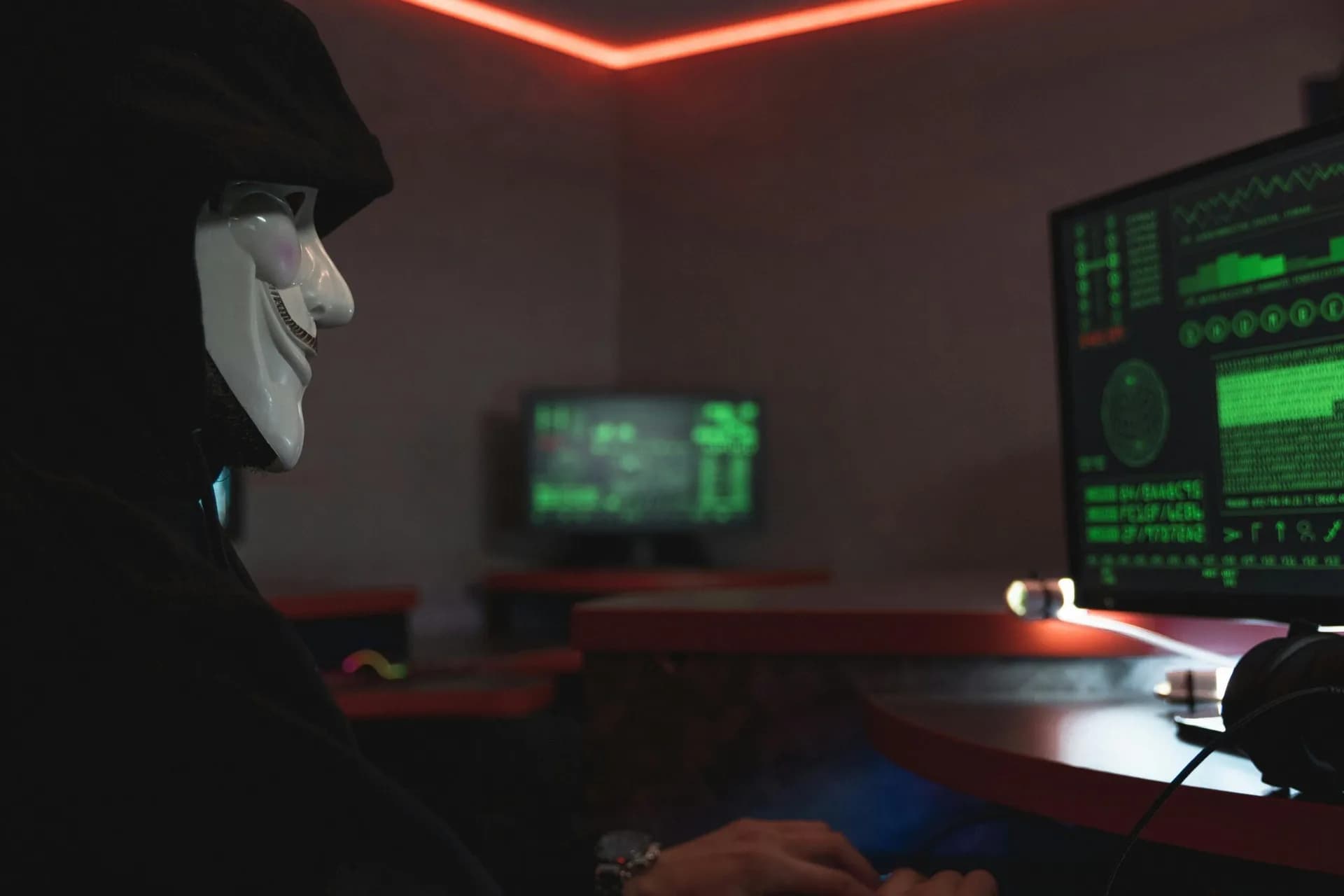
Cyberattacks now run like production lines. Automation has spread through business, and attackers have adopted it as well. Picking victims, writing custom code, making phone calls and holding long social-engineering conversations used to take a coordinated team; today most of that work is automated. The attacks that result are mass-produced, fast and cheap.
Identity: The Primary Attack Vector
Most cybercriminals now go after digital identity rather than complex technical vulnerabilities. Year after year, reports from Verizon and Mandiant M-Trends find the same thing: stolen credentials are still the cheapest and most effective way into a system.
Infostealers and malicious extensions harvest passwords, tokens, cookies, browser data and the contents of password managers. In 2026 attackers get past even the classic password + MFA (Multi-Factor Authentication) combination more often. They rarely use brute force. They steal session data, abuse account recovery procedures and talk help desk staff into resetting access.
For an attacker, convincing a system that they are a legitimate user now takes less effort than breaking through technical defenses.
Industries Under Maximum Pressure
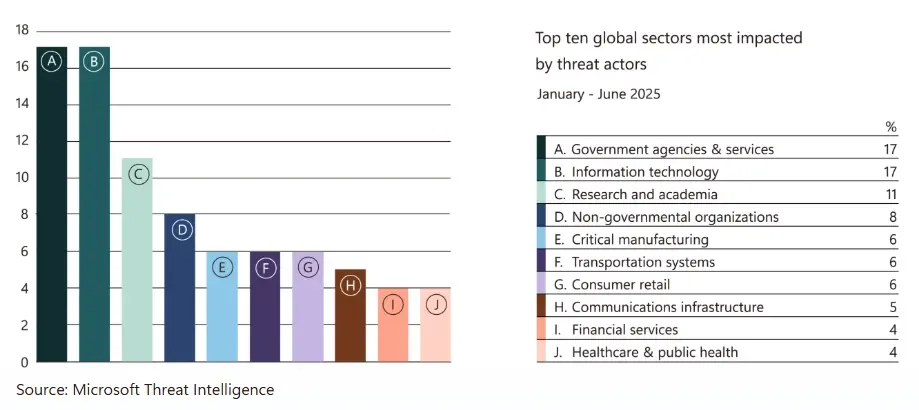
Industries that handle large volumes of sensitive data still take the heaviest attacks. According to the Microsoft Digital Defense Report, the most targeted sectors include government institutions (17%), scientific and educational organizations (11%), transportation systems (6%), financial services (4%), and healthcare (4%).
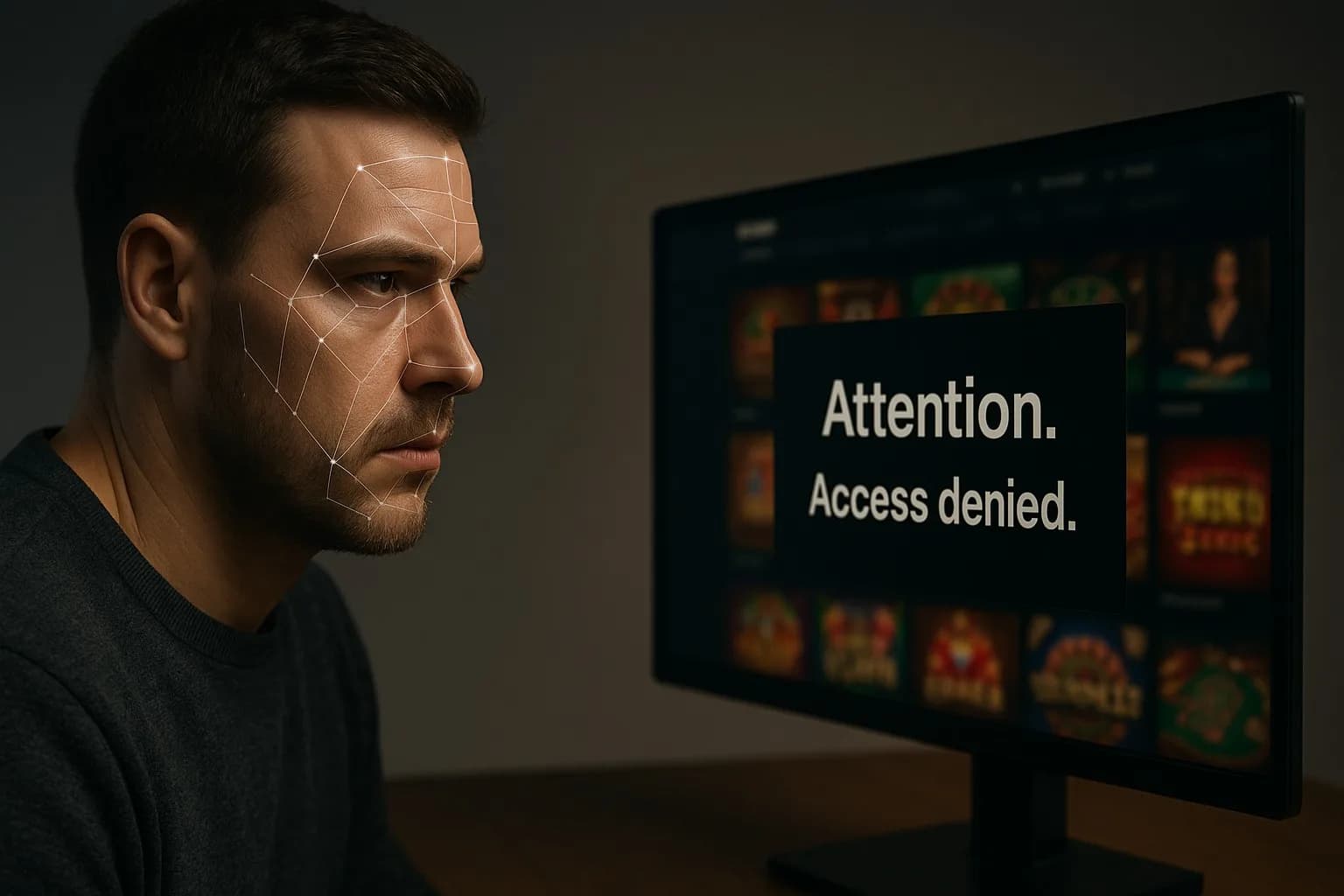
These sectors hold valuable data and run services that cannot stop. Standard authentication steps are not enough there. If an attacker may already have the login, the password and even access to the mailbox, the business needs another layer of identity verification that the attacker cannot copy as easily.
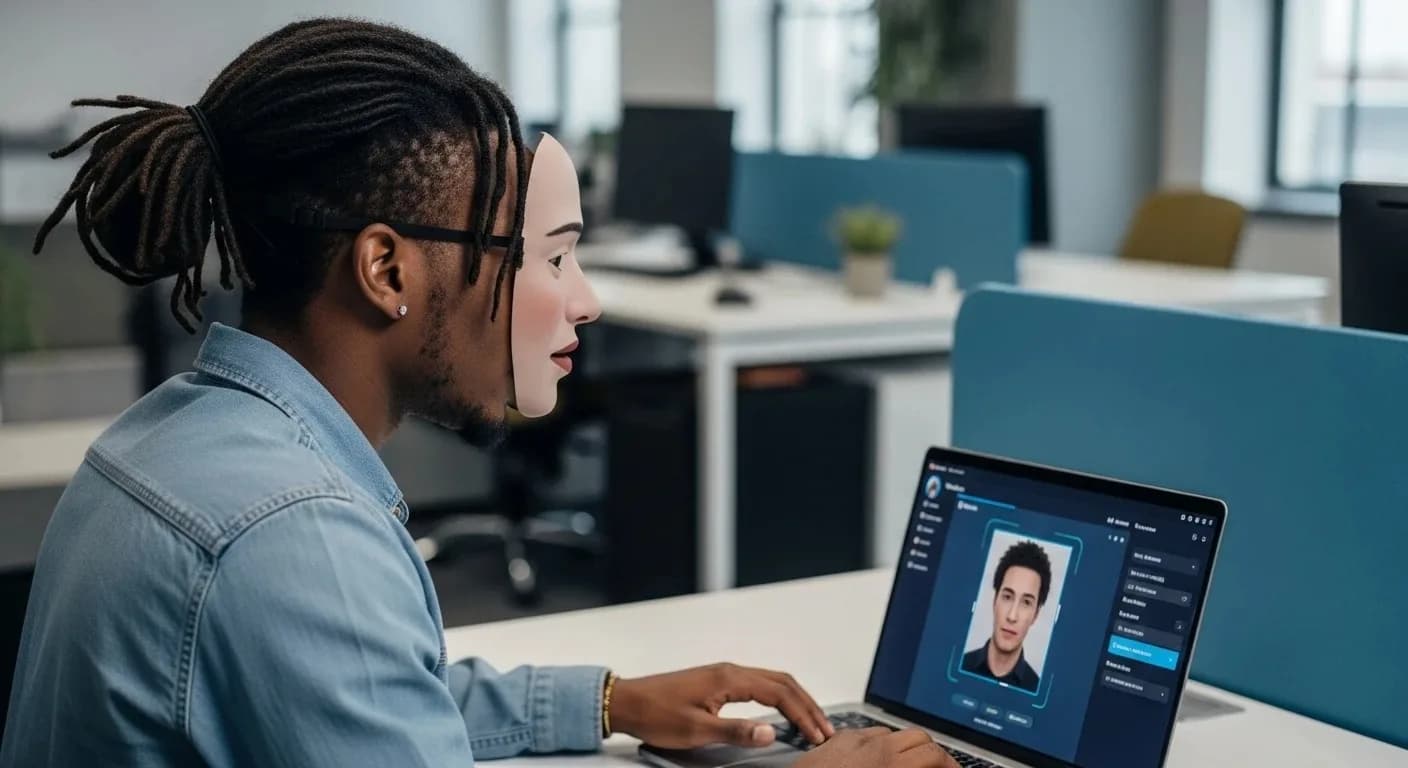
For sensitive operations such as payments, credential changes, access to customer data and administrative actions, biometric verification is the natural barrier to add.
Financial Motivation Drives Attacks
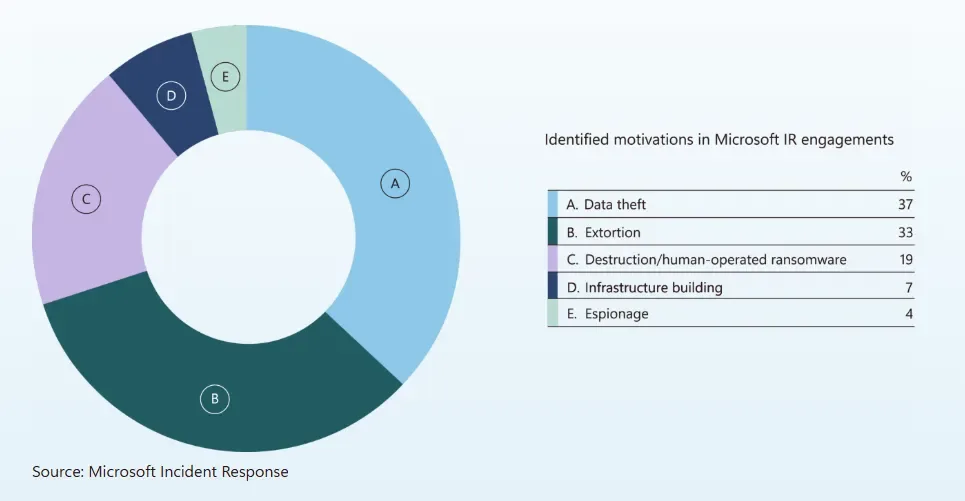
Most attacks in 2026 will still be about money. Extortion and data theft remain the main drivers of cybercrime, and Microsoft data puts data theft at about 37% of all incidents.
Traditional defenses hold up poorly against this model. Passwords get stolen, tokens intercepted, SMS messages spoofed and employees persuaded. Biometrics changes the economics of the attack. Stealing biometric data remotely is much harder and more expensive, and in many scenarios not feasible at all. Attackers then turn to less protected organizations, and companies with mature biometric identification systems face fewer targeted attacks.
Artificial Intelligence: A Force Multiplier for Both Sides
Research from Techwire points out that AI now sits inside most modern processes, on both sides of the fight. Attackers and defenders gain from it in equal measure.
Defenders use AI to analyse data at a scale no person could handle, spot early signs of an attack and respond in minutes or even seconds. Automated systems can block accounts, start access resets and alert the security team almost at once.
Attackers use the same technology. Deepfakes, voice cloning and synthetic video have already been used against international corporations and government bodies.
AI also lets attackers automate the whole attack lifecycle, from reconnaissance to exploiting vulnerabilities at scale. Cheap, fast attacks can be launched in far greater numbers. Defense that depends only on employee vigilance or manual processes cannot keep up.
Biometrics remains one of the few factors that are hard to forge even with AI, provided the implementation includes protection against AI-driven attacks, deepfake detection and liveness verification.
Regulatory Pressure and the Push for Reliable Identity
Regulators are paying closer attention to reliable user identification in 2026. Rules on customer authentication, personal data protection and fraud prevention are getting stricter in Europe and in other regions, including Central Asia.
ENISA (European Union Agency for Cybersecurity) and European regulators increasingly treat multi-factor and biometric identification as the expected standard for fintech, e-government and high-risk digital services. Countries where biometric solutions looked exotic a few years ago are now introducing them in government services and making them mandatory.
Biometrics raises trust in a digital identity without adding much friction for the user. When substituted data is common, it helps a business keep security, convenience and compliance in balance.
The new year brings not new threats
It brings the old problems at a larger scale, with automation and AI behind them.
Control over a person's identity is now the main thing attackers fight for, and defenses that overlook it will fail. Biometrics belongs at the center of a long-term security strategy: it makes attacks more expensive, reduces reliance on factors that may already be compromised, and gives the business an identity check it can trust when passwords and codes cannot be trusted.
Ready to strengthen your customer checks?
500 free checks a month for a year · no card · no contract · no sales call.