Why We Believe the Future of Identity Belongs to Biometrics
Why the future of identity belongs to biometrics and why not all biometric methods are equally effective.

But Not Just Any Biometrics
Identity verification underpins the digital economy, from commercial transactions to public services. While it relied on passwords, SMS codes, and physical tokens, the system stayed fragile: credentials got stolen or forgotten, devices got lost, and attackers intercepted access. The move to biometrics was a practical response to new technologies and fraud patterns.
Deployments have also shown that the word “biometrics” guarantees nothing by itself. It covers several fundamentally different approaches, and many of them are less reliable, harder to scale, more expensive, or weaker offline. That is why at Biometric.Vision we believe the future belongs to biometrics, but not just any biometrics.
Not All Biometrics Are Created Equal
The market often lumps very different biometric methods into one category, which suggests they are equally secure. They are not. Voice biometrics is one case where convenience can stand in for real protection, and modern generative models make voice forgery easier to pull off.
For that reason, voice biometrics usually serves as an additional verification layer rather than a primary identifier. A system that relies on voice alone may carry a weak point in its architecture.
Limitations of Other Biometric Methods
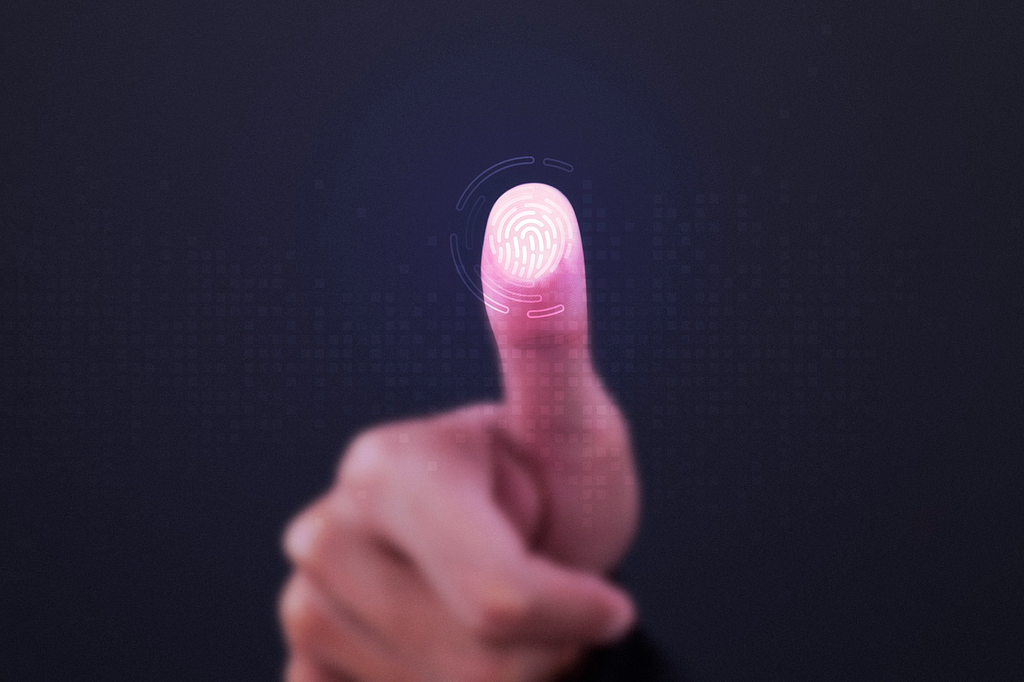
Other biometric methods have practical limits too. Fingerprints can work well in local high-security systems, but they need dedicated sensors, suit remote onboarding poorly, and cost a lot to scale. Iris and retinal biometrics can be highly accurate, yet cost, hardware requirements, and user experience tend to keep them in a niche.
Behavioral biometrics adds security, but it is sometimes too unstable to serve as the primary identification factor, especially offline.
Why Facial Biometrics Stands Out
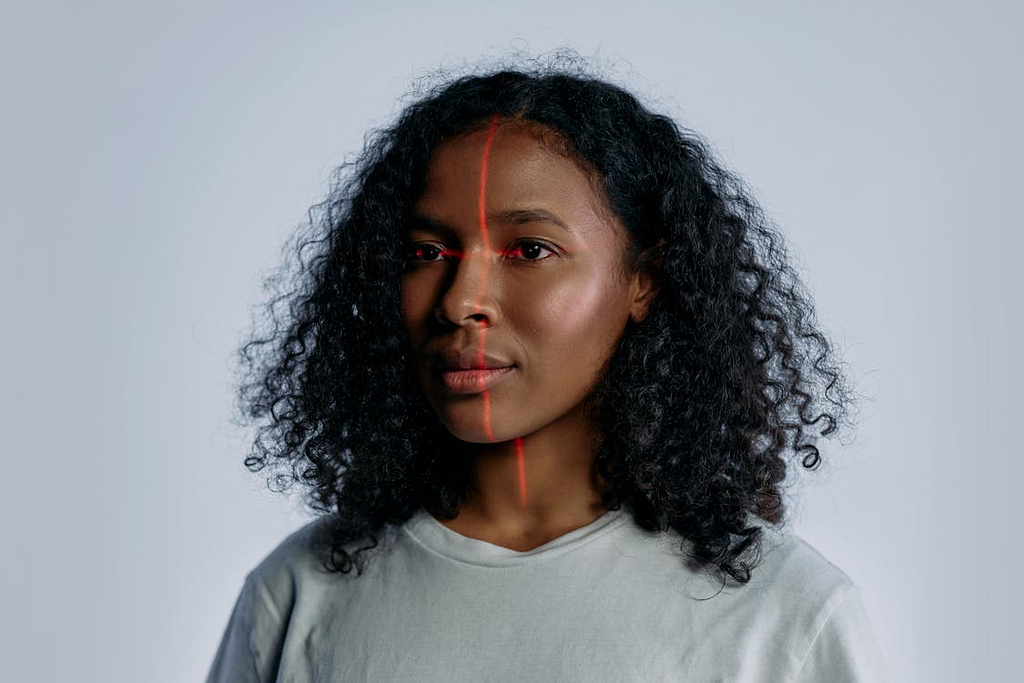
By comparison, facial biometrics looks like one of the most balanced and mature options. Smartphone cameras are already everywhere, and modern computer vision algorithms handle both online and offline identification without constant reliance on external infrastructure.
Implemented correctly, with anti-spoofing protection, facial recognition gives a good balance of security, speed, and user experience. That is why it currently ranks among the most practical and universal technologies.
Government-Level Validation
Regulators have backed this direction as well as the market. In several countries, particularly in Central Asia, the law requires financial organizations, primarily banks, to verify customers remotely through facial recognition specifically. This is a binding regulatory requirement, not a recommendation or an experiment.
In other words, regulators treat facial biometrics as one of the most reliable methods for identification at mass scale.
The Path Forward
Large-scale identity systems will most likely be built around facial recognition plus additional verification layers. Other biometric methods will probably stay supplementary or niche, used in specific scenarios.
We believe a responsible and balanced approach to identity systems can protect this fragile trust, and the right choice of methods can make trusted identification available at scale, online and offline.
Ready to strengthen your customer checks?
500 free checks a month for a year · no card · no contract · no sales call.